

Wind Power: Nature’s Giant Fan Could Light Up Your World!
Discover how spinning blades in the sky could power your PlayStation, charge your phone, and keep the lights on!
Ever wonder how those massive spinning towers could actually power your home, school, and maybe even save the planet while they’re at it?


Overview
Imagine if you could capture the wind outside your window and use it to power your entire house! Wind energy is like having nature's own power plant spinning right in our backyard. Those giant white towers with spinning blades that you see on hillsides aren't just cool-looking sculptures – they're actually incredible machines that can turn a simple breeze into electricity for millions of homes. Talking about wind power with your child opens up amazing conversations about how we can work with nature instead of against it, and why the choices we make today could create a cleaner, brighter future for their generation.
Understand in 30 Seconds
Get up to speed quickly
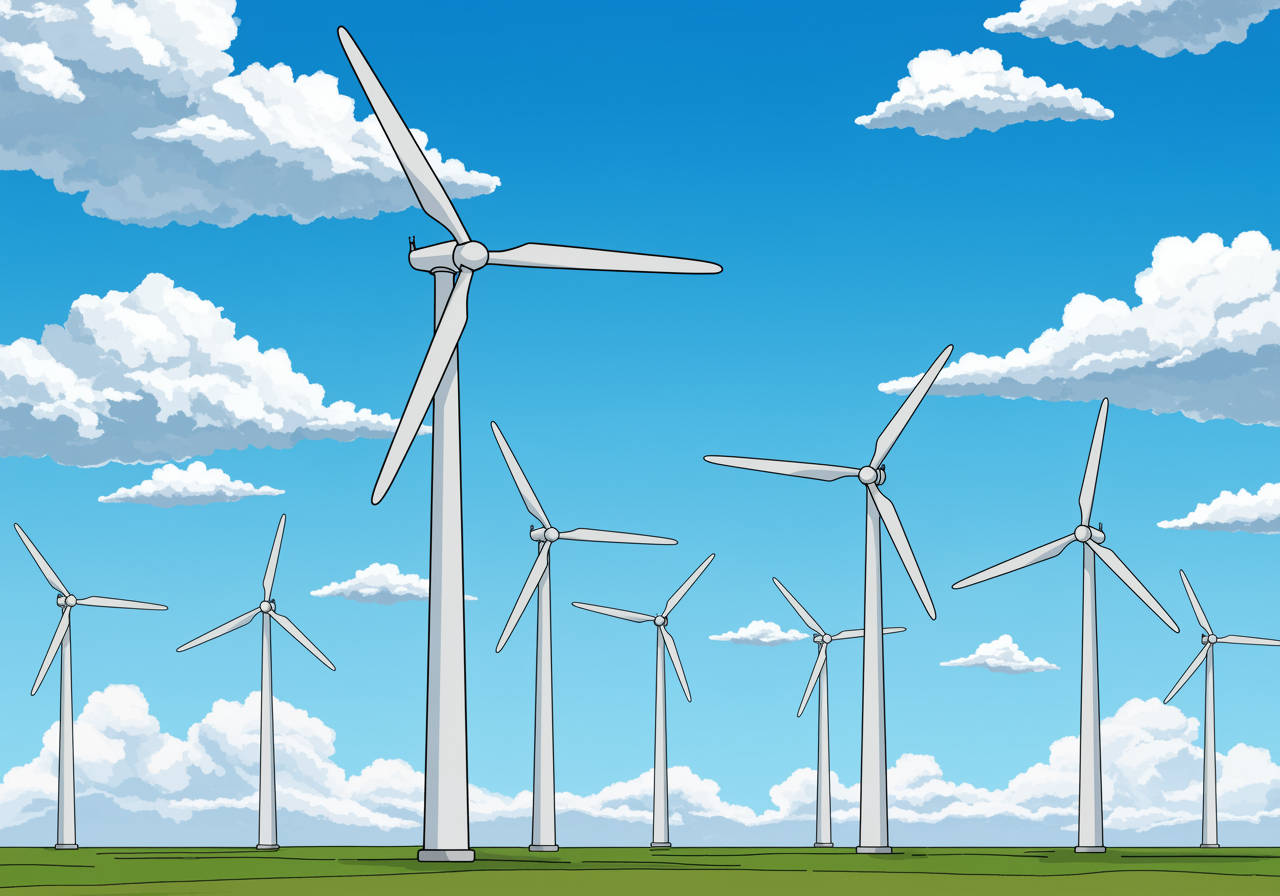
- Wind = Invisible Power Source: Moving air has energy that can be captured and turned into electricity, just like water flowing downstream can turn a waterwheel.
- Giant Fans Work Backwards: Wind turbines are like huge fans running in reverse – instead of using electricity to create wind, they use wind to create electricity!
- Clean Energy, No Pollution: Unlike coal or gas power plants, wind turbines don't create smoke, pollution, or harmful chemicals – just clean electricity.
- Free Fuel Forever: The wind never runs out and never costs money, making it one of the cheapest ways to make electricity once the turbines are built.
Real Life Scenario
Situations you can relate to
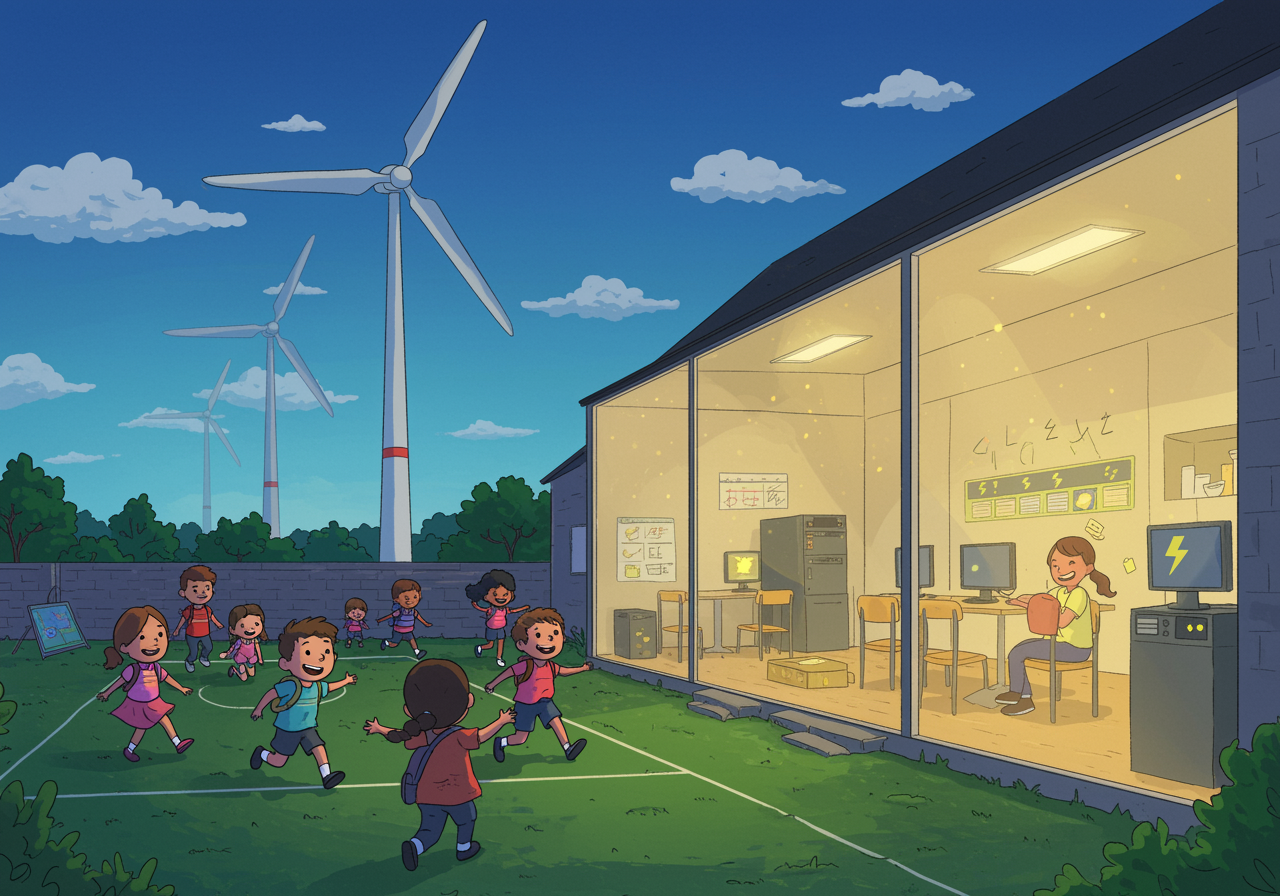
Think about the last time you felt a strong wind push against you while walking. That same force pushing against your body has enough power to spin massive turbine blades that are longer than a basketball court! Imagine if your school had a wind turbine on campus – every time the wind blows during recess, it could be powering the computers in your classroom, keeping the lights on in the hallway, and even running the air conditioning. One large wind turbine can generate enough electricity for about 400 homes. What if your neighborhood had just three of these spinning giants? They could power your house, your friends' houses, and still have energy left over. The coolest part? The stronger the wind, the more power you get – so those blustery days that mess up your hair could actually be powering your video games!
Role Play
Spark a conversation with “what if” scenarios
What if you were a wind turbine engineer designing the perfect turbine for your town?
- Role play: Use your arms as turbine blades and spin around when your parent blows air at you (like a hair dryer or fan). Discuss where in your area the wind blows strongest and where you'd place your turbines.
What if your family had to choose between different energy sources for your dream house?
- Role play: Create a family 'energy council' meeting where you debate the pros and cons of wind, solar, and traditional power, with each person arguing for their favorite option.
What if you could shrink down and ride inside a wind turbine as it spins?
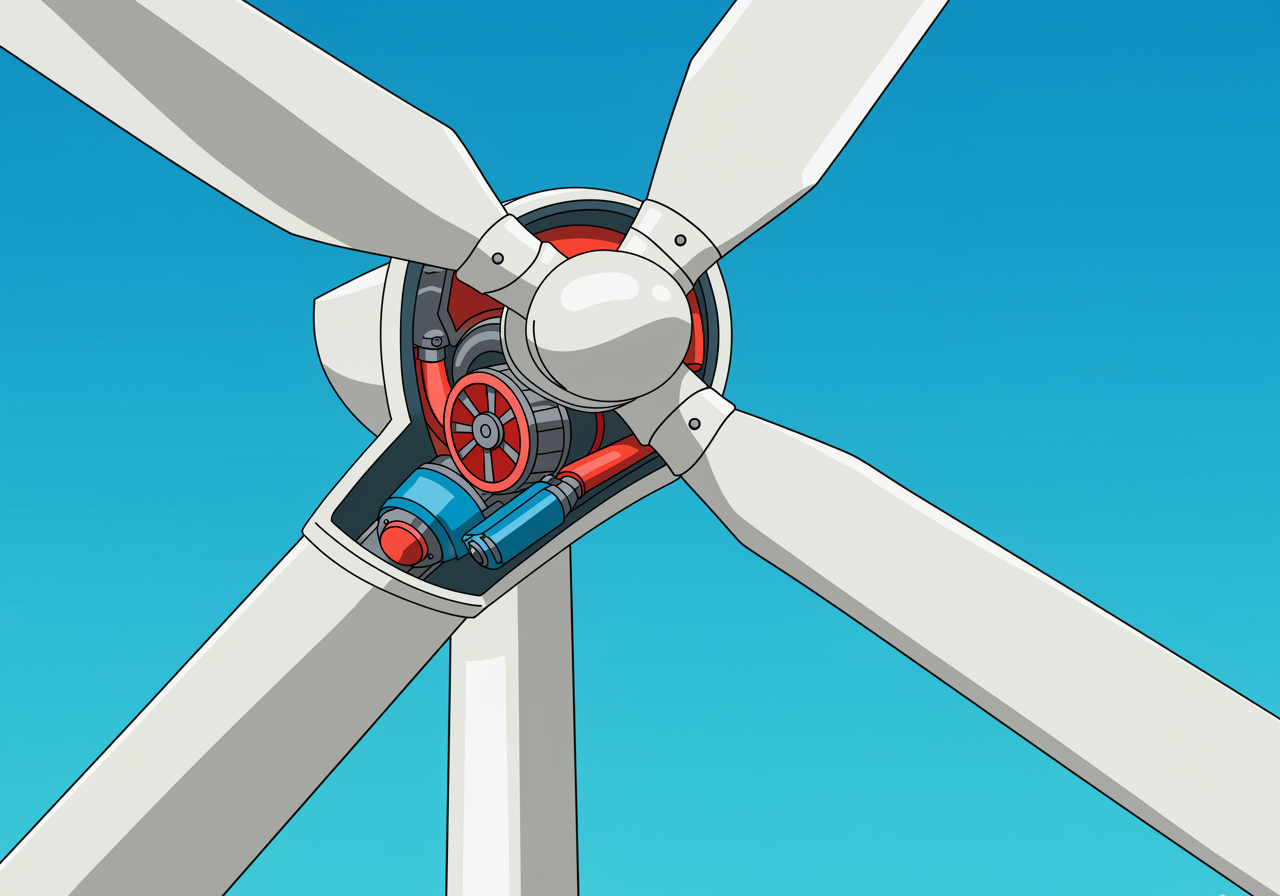
- Role play: Pretend to be tiny explorers describing your wild ride through the turbine, from the spinning blades down to the generator that creates electricity.
FAQs
Frequently asked questions people want to know
Are wind turbines noisy?
Modern wind turbines are surprisingly quiet – they make about as much noise as a refrigerator humming. You'd have to be pretty close to really hear them!
What happens when there's no wind?
Wind farms are connected to the electrical grid along with other power sources, so when the wind isn't blowing, electricity comes from other sources like solar panels, water dams, or traditional power plants.
Do wind turbines hurt birds?
While some birds are affected, modern turbines are designed with bird safety in mind. Studies show that cats and glass windows are actually much bigger threats to birds than wind turbines.
Examples in the Wild
See how this works day to day
- Texas generates more wind power than any other state, producing enough electricity to power over 7 million homes annually (U.S. Energy Information Administration, 2023)
- Denmark sometimes generates more than 100% of its electricity needs from wind, selling the extra power to neighboring countries (International Energy Agency, 2023)
- The world's largest offshore wind farm, Hornsea One in the UK, can power over 1 million homes (BBC News, 2023)
- Wind energy costs have dropped by 85% over the past decade, making it one of the cheapest sources of electricity (International Renewable Energy Agency, 2023)
In Summary
What you should know before you start
- Wind turbines capture the natural energy of moving air and convert it into clean electricity for homes and schools
- Wind power produces no pollution or harmful emissions, making it an environmentally friendly energy choice
- The wind is free and renewable, meaning it never runs out and costs nothing to 'refuel' the turbines
- Modern wind technology is becoming cheaper and more efficient, making it a realistic option for powering communities worldwide
Pro-tip for Parents
You got this!
If your child seems overwhelmed by environmental challenges, focus on wind energy as a positive solution story rather than dwelling on problems with fossil fuels. Kids respond better to 'here's how we can fix it' conversations than 'here's what's wrong' discussions. When you see wind turbines during car trips, make them 'good guys' in the energy story – count how many you spot and imagine all the homes they're powering right now!
Keep an Eye Out For
Find these examples in everyday life
- News stories about new wind farms being built in your state or region
- Weather reports mentioning strong winds – perfect teachable moments about wind energy potential
- Local utility companies offering wind energy options for homes in your area
Explore Beyond
Look up these related research topics
- How do solar panels work and could they team up with wind turbines?
- What other renewable energy sources exist and how do they compare?
- How do electrical grids work to deliver power from wind farms to your home?