

The Great Invention Mystery: Why Some Ideas Rule the World and Others Flop
Discover the secret ingredients that make inventions stick around or disappear forever
Ever wonder why your favorite app took off while others vanished, or why some gadgets change everything while amazing inventions gather dust?


Overview
Think about this: someone invented both the iPhone and Google Glass, but only one changed the world. Your child probably uses dozens of inventions daily without thinking about why those specific ones made it big. This topic helps kids understand that success isn't just about having a cool idea – it's about timing, solving real problems, and understanding what people actually want. These conversations can spark their own creative thinking and help them see patterns in the world around them.
Understand in 30 Seconds
Get up to speed quickly
- Timing Is Everything: Even brilliant inventions can fail if they arrive too early or too late. The world has to be ready for them.
- Solve Real Problems: Successful inventions fix problems people actually have, not problems inventors think they should have.
- Easy Wins: If something is too complicated or expensive, people won't bother trying it, no matter how amazing it is.
- The Network Effect: Some inventions get better when more people use them, like social media apps that need your friends to be fun.
Real Life Scenario
Situations you can relate to
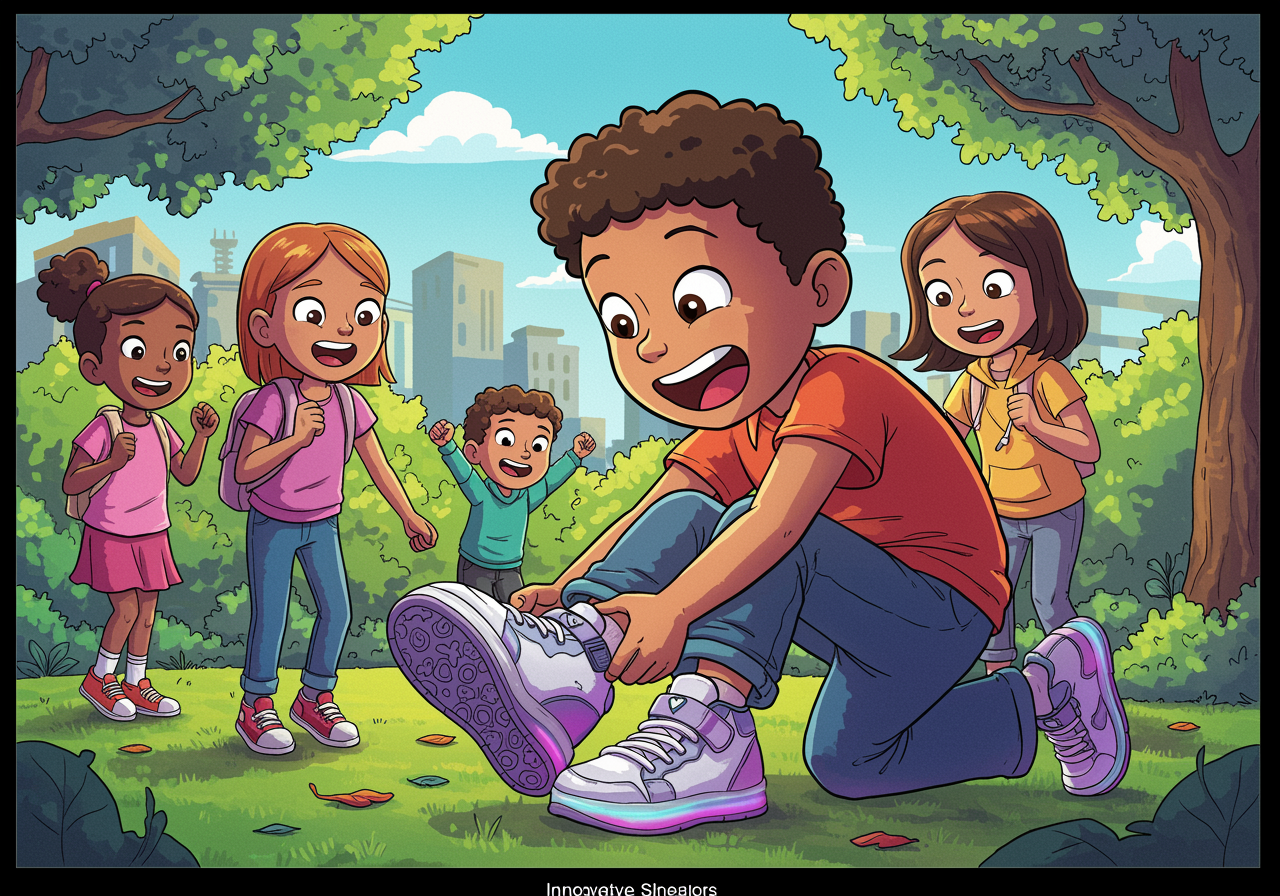
Imagine you invented an amazing new type of sneaker that can change colors with your mood. Sounds cool, right? But what if they cost $500, only work in sunny weather, and take 20 minutes to change colors? Now imagine a different inventor creates sneakers that cost $80, change colors instantly with a button press, and work anywhere. Which one do you think would take off? Think about apps on your phone – why did TikTok explode while other video apps disappeared? Was it just luck, or were there specific reasons people chose one over the others?
Role Play
Spark a conversation with “what if” scenarios
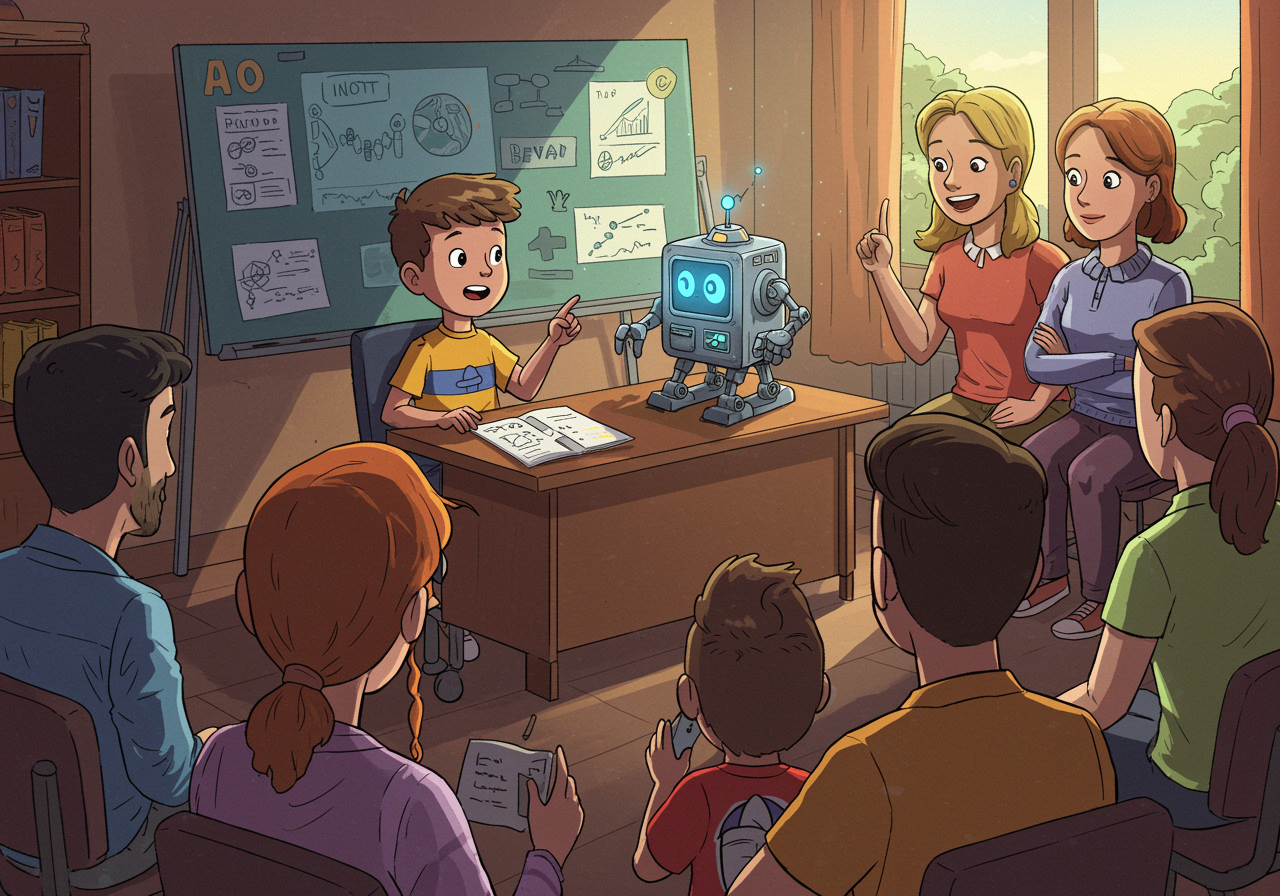
What if you invented a homework-doing robot?
- Role play: Have your child pitch their invention to you as if you're an investor. What problems does it solve? How much would it cost? Would parents actually buy it?
What if you could travel back and introduce smartphones in the 1980s?
- Role play: Discuss together why it might have failed then – no internet, expensive technology, different daily routines. Act out trying to explain Instagram to someone from 1985!
What if you invented a better version of something that already exists?
- Role play: Pick a common item (like backpacks or pencils) and brainstorm improvements. Then discuss the challenge of convincing people to switch from what they already know.
FAQs
Frequently asked questions people want to know
Do the best inventions always win?
Nope! Sometimes the first or most marketed invention wins, even if better ones come later. Betamax was better than VHS, but VHS took over.
Why do some companies copy successful ideas?
Because they see what works and try to make it better, cheaper, or easier. Competition often improves things for everyone.
Can a failed invention become successful later?
Absolutely! Tablets failed in the 1990s but became huge with the iPad. Sometimes the world just needs time to catch up.
Examples in the Wild
See how this works day to day
- Netflix started mailing DVDs in 1997, but streaming took off in 2007 when internet speeds finally caught up to the idea (Netflix Company History)
- Google Glass had amazing technology but failed because it was too expensive ($1,500), looked weird, and raised privacy concerns (MIT Technology Review)
- TikTok succeeded where Vine failed partly because phones had better cameras and data plans were cheaper by 2018 (TechCrunch Analysis)
- Electric cars existed in the early 1900s but failed due to limited battery technology – Tesla succeeded 100 years later when batteries improved (Smithsonian Magazine)
In Summary
What you should know before you start
- Great inventions need the right timing, solving real problems people actually have
- Success often depends on being easy to use, affordable, and accessible to most people
- Network effects can make inventions more valuable as more people join in
- Sometimes amazing ideas fail and okay ideas succeed due to luck, marketing, or market timing
Pro-tip for Parents
You got this!
If your child gets frustrated that their 'better' idea isn't popular (like a superior game or app), help them think like a detective. Ask questions together: 'What made the popular version catch on? What barriers might stop people from trying the better option?' This builds critical thinking and helps them understand that innovation is about more than just having good ideas.
Keep an Eye Out For
Find these examples in everyday life
- New apps or trends your child mentions – ask them why those caught on while others didn't
- News about companies failing or succeeding with new products – great conversation starters
- When your family chooses one product over another while shopping – discuss the decision factors
Explore Beyond
Look up these related research topics
- How marketing and psychology influence what becomes popular
- The role of luck versus skill in business success
- How different cultures adopt new technologies at different rates