

Tech Mysteries: The Great Gadget Divide
Why your gaming setup feels natural but the school portal makes you want to scream
Ever wonder why some apps feel like magic while others feel like torture? Let’s crack the code on why technology can be your best friend or worst enemy.


Overview
Think about it – you can master a new video game in minutes, but that 'simple' smart home app has you pulling your hair out. Your kids navigate TikTok like pros but struggle with online learning platforms. This isn't about being 'good' or 'bad' with technology – it's about design, purpose, and how our brains work with new tools. Understanding why some tech clicks while other tech confuses helps families make better choices and reduces those frustrating 'why won't this work?' moments we all have.
Understand in 30 Seconds
Get up to speed quickly
- Good Design Feels Invisible: The best technology works so naturally you don't think about it. Like how texting feels obvious, but programming your car radio might feel impossible.
- Building on What We Know: Easy tech usually looks and works like something familiar. Confusing tech tries to do everything differently at once.
- Clear Purpose Wins: When you immediately understand what something is supposed to do, it feels simple. When the purpose is murky, everything feels complicated.
- Everyone's Brain is Different: What's easy for you might be hard for someone else, and that's totally normal. Age, experience, and thinking style all play a role.
Real Life Scenario
Situations you can relate to
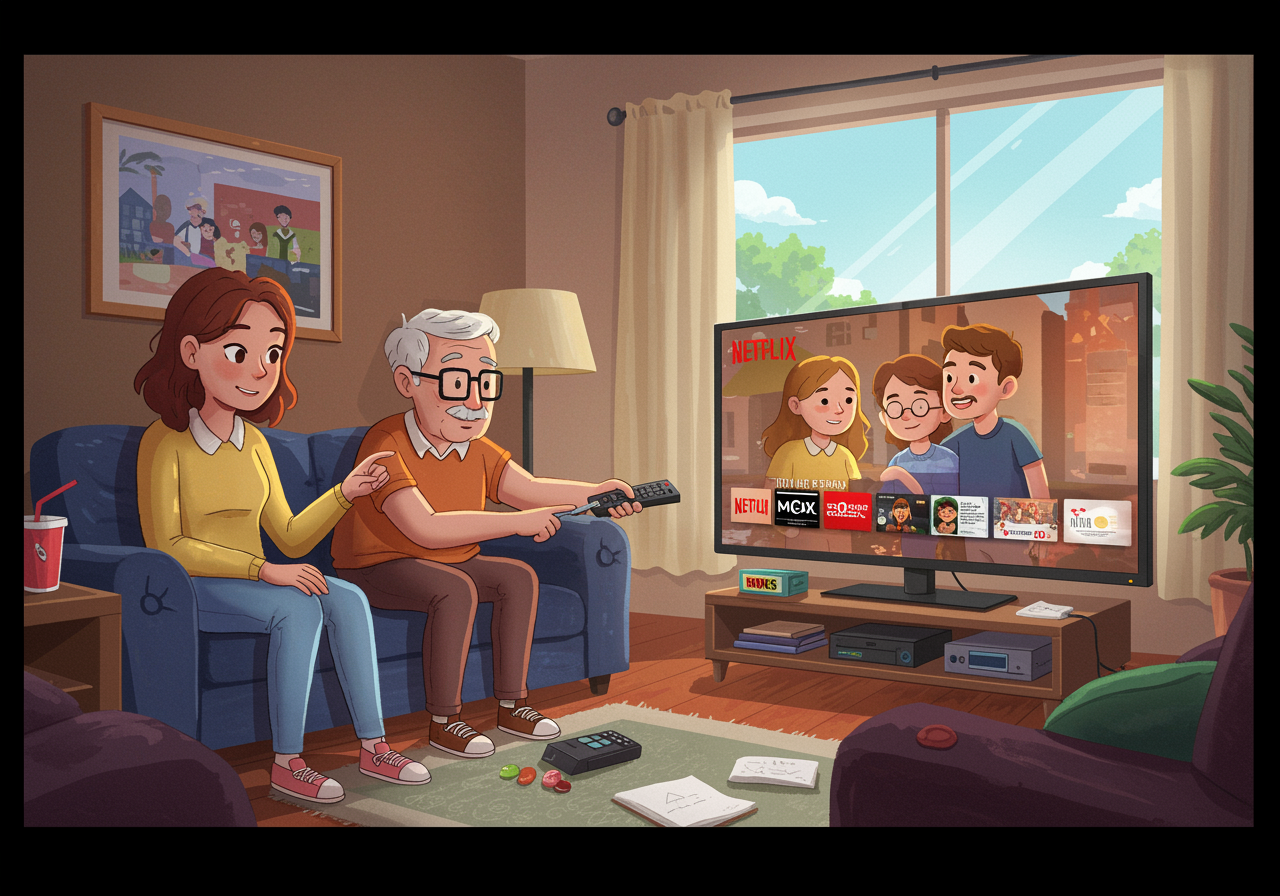
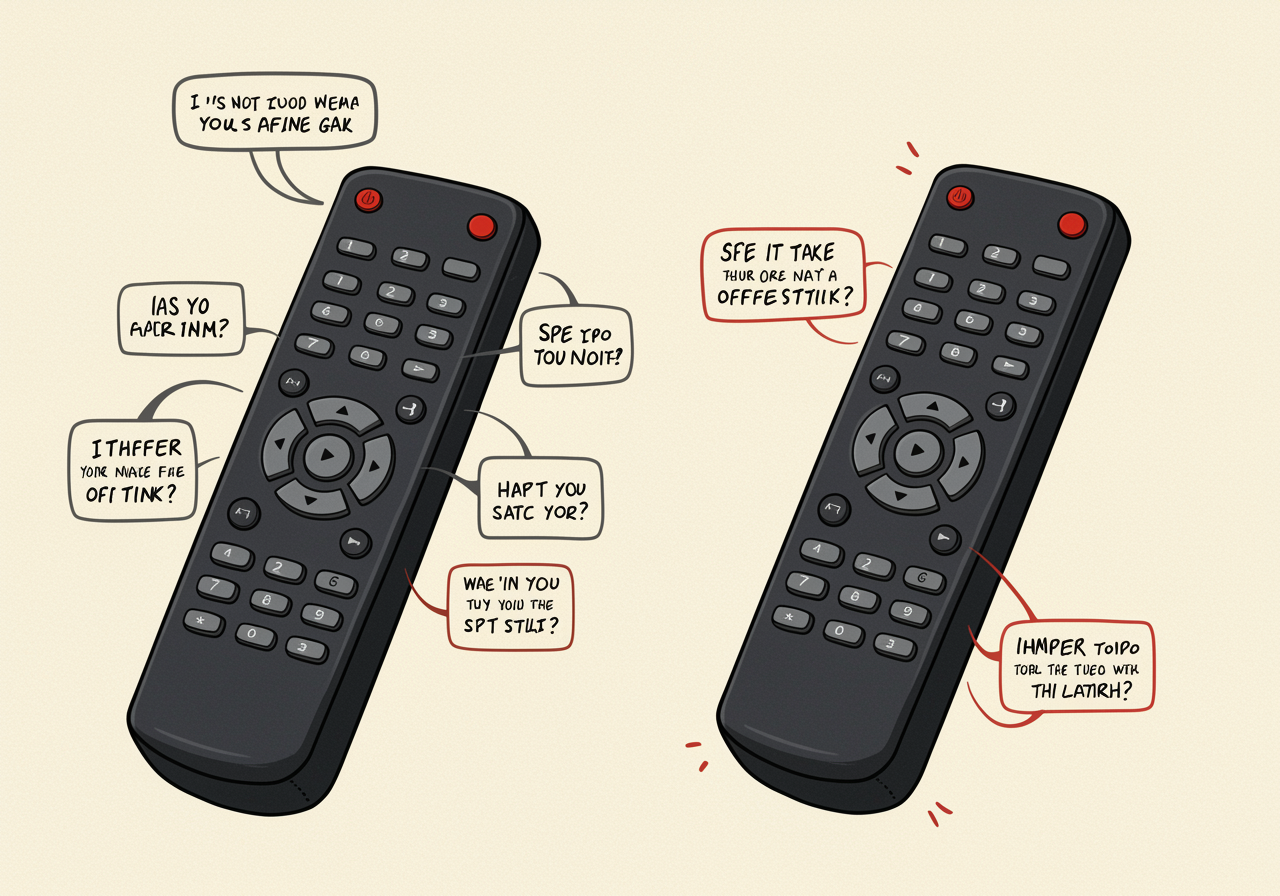
Imagine your family just bought a new smart TV. Your teen figures out Netflix in 30 seconds, your parent struggles with the remote for 20 minutes, and the voice control seems possessed by demons. Why? The Netflix interface builds on what we know about browsing and clicking – it's like a digital video store. But that remote has 47 buttons doing mysterious things, and shouting 'PLAY STRANGER THINGS' at your TV feels unnatural. Now think about your phone – you probably unlock it, find apps, and text without thinking. But remember learning to drive? All those pedals, mirrors, and signals felt overwhelming at first. The difference isn't the technology itself – it's whether the design makes sense to your brain and experience.
Role Play
Spark a conversation with “what if” scenarios
What if you had to teach your grandparent how to use your favorite app?
- Role play: Take turns being the teacher and student. The 'grandparent' should ask lots of confused questions, while the teacher practices explaining without using tech terms.
What if you were a designer creating the world's most confusing pencil?
- Role play: Draw or describe a pencil that would be impossibly hard to use. Then redesign it to be super simple. Discuss what makes each version easy or hard.
What if aliens gave you their 'simple' communication device?
- Role play: Create an imaginary alien gadget with weird rules. One person uses it while others guess what it does. Talk about what makes it confusing versus familiar.
FAQs
Frequently asked questions people want to know
Why do adults seem so confused by technology that kids find easy?
It's not about age – it's about what you learned first. Kids grow up with touchscreens, so swiping feels natural. Adults learned keyboards first, so typing might feel more comfortable than tapping.
Why do some apps change their design and make everything confusing again?
Companies update apps to add features or fix problems, but sometimes they accidentally make familiar things feel foreign. It's like rearranging your bedroom – same stuff, but you keep walking into walls.
Is it bad to avoid confusing technology?
Not at all! Some technology is genuinely poorly designed. But sometimes pushing through the confusion leads to tools that really help you. The trick is figuring out which battles are worth fighting.
Examples in the Wild
See how this works day to day
- Apple's iPhone success came from making smartphones work like familiar objects – you 'tap' buttons and 'slide' to unlock, mimicking real-world actions. (MIT Technology Review)
- Many elderly users struggle with modern car interfaces because they replaced familiar knobs and buttons with confusing touchscreens. (AAA Foundation for Traffic Safety)
- TikTok's infinite scroll design hooks users because it mimics the satisfying action of flipping through pages or channels. (Journal of Behavioral Addictions)
- Hospital staff often resist new medical software because it disrupts workflows they've perfected over years, even when the new system is technically better. (HIMSS Healthcare IT News)
In Summary
What you should know before you start
- Good technology feels natural by building on things we already understand
- Everyone's experience and brain work differently, so 'easy' varies from person to person
- Clear purpose and simple design usually beat fancy features and complexity
- Frustration with confusing tech is normal and often means the design needs work, not you
Pro-tip for Parents
You got this!
When your child gets frustrated with technology, resist the urge to immediately help or dismiss their struggle. Instead, ask 'What would make this easier?' or 'How is this different from apps you like?' This helps them think like a designer and builds problem-solving confidence. Remember, if it's confusing to them, it's probably confusing to lots of people – their frustration often points to real design problems, not personal shortcomings.
Keep an Eye Out For
Find these examples in everyday life
- New app updates that change familiar interfaces – great chances to discuss what worked better before and why
- Family members struggling with different devices – opportunities to explore how the same person can be 'tech-savvy' with one thing and confused by another
- News stories about technology adoption in schools, hospitals, or workplaces – real examples of when good or bad design affects entire communities
Explore Beyond
Look up these related research topics
- How do designers test whether their creations are actually easy to use?
- Why do some people seem naturally good at learning new technology while others struggle?
- What role does accessibility play in making technology work for people with different abilities?