

Secret Builders: How Hidden Hideouts Teach Us About Smart Risks and Epic Adventures
Discover why the coolest forts and secret passages are built by the smartest planners
Building secret tunnels and treehouses isn’t just about having fun – it’s about learning how to take smart risks, solve tricky problems, and create amazing adventures safely.


Overview
Think about every awesome movie hideout you've ever seen – from Batman's cave to Harry Potter's secret passages. What makes them so cool isn't just that they're hidden, but that they're incredibly well-planned and safe. When kids dream about building their own secret spaces, they're actually learning some of the most important skills engineers and architects use every day. They're figuring out how to balance excitement with safety, how to solve problems creatively, and how to turn wild ideas into real, working structures that won't collapse or hurt anyone.
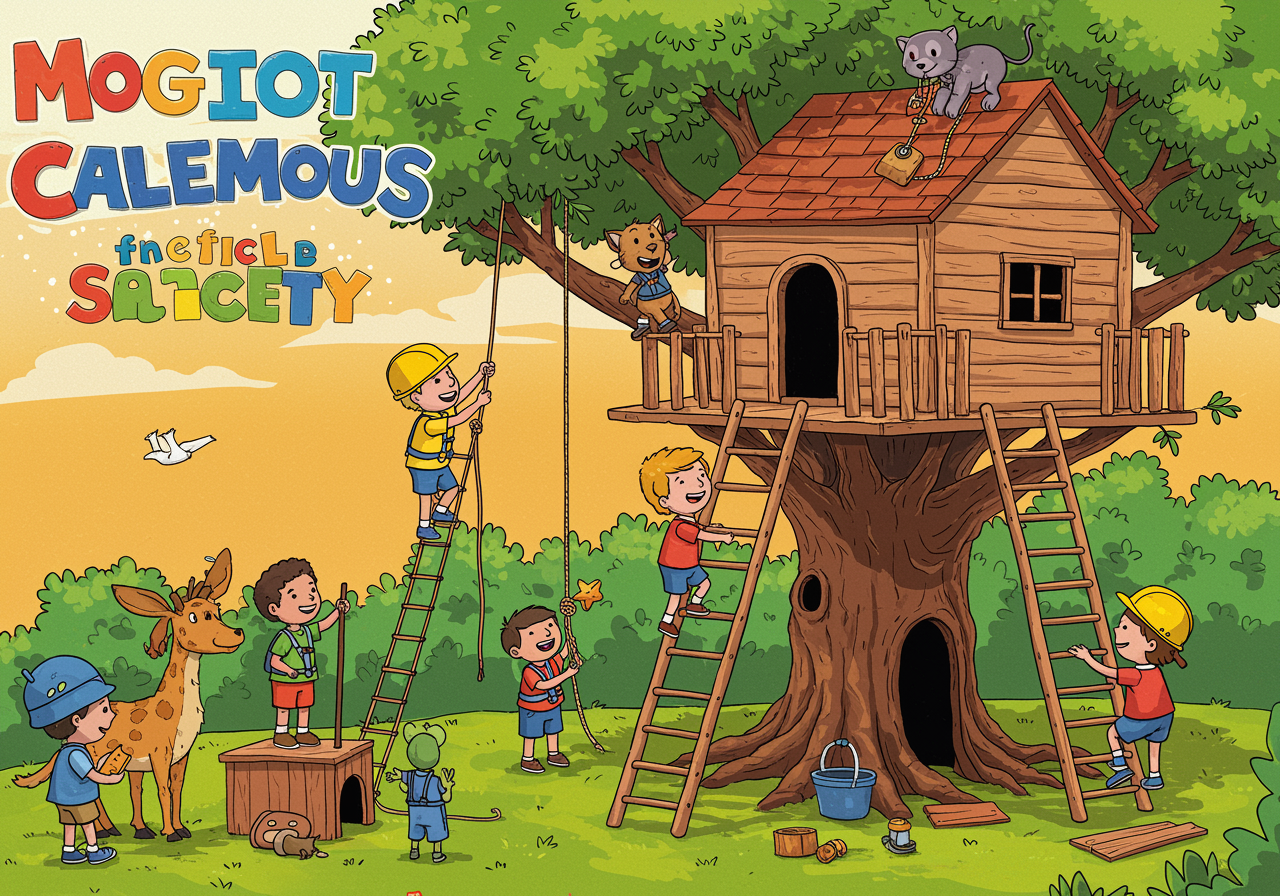
Understand in 30 Seconds
Get up to speed quickly
- Safety First, Adventure Second: The best secret builders always plan for safety before they start digging or climbing. Real risk-takers actually take fewer risks by planning ahead.
- Engineering is Problem-Solving: Every tunnel needs support beams, every treehouse needs strong branches. Building teaches you to think like an engineer – solve problems step by step.
- Smart Planning = Better Adventures: The most epic hideouts aren't built by luck. They're designed by kids who think through problems before they happen.
- Real Skills, Real Applications: The same thinking that builds a safe treehouse also designs subway tunnels, underground parking, and skyscrapers that don't fall down.
Real Life Scenario
Situations you can relate to
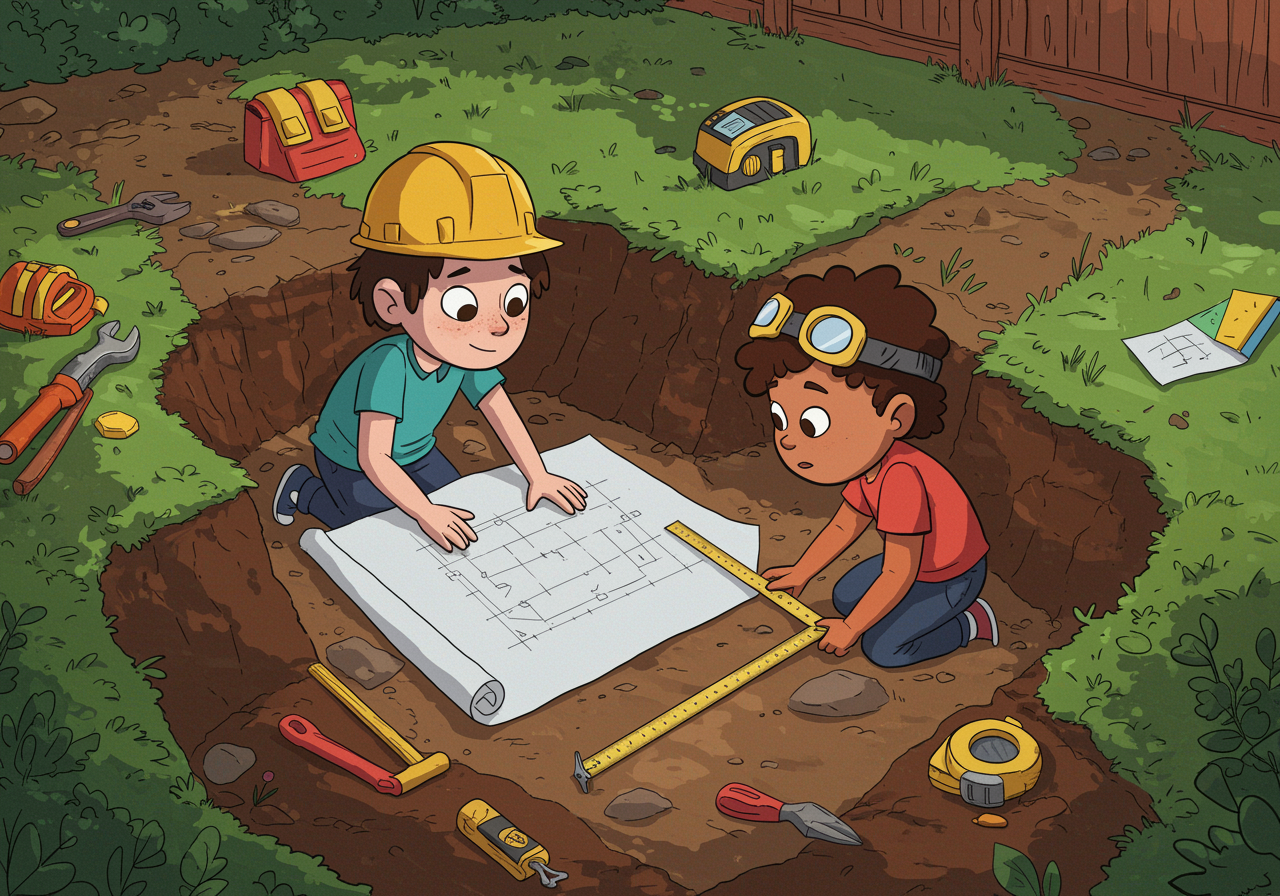
Imagine your friend Jake wants to build a secret tunnel under his backyard shed. He's seen it in movies and thinks it'll be awesome! But wait – what could go wrong? The tunnel might collapse, hit a water pipe, or even damage his house's foundation. Now imagine Jake's older sister Maya, who loves engineering. She suggests they start with something smaller and safer – maybe a hidden compartment in the shed first. She shows Jake how to check if the walls are strong enough, how to make sure they won't damage anything, and how to create a backup exit plan. Which approach sounds more exciting in the long run? Jake's quick-and-risky plan, or Maya's smart-and-safe adventure that could actually happen without anyone getting hurt?
Role Play
Spark a conversation with “what if” scenarios
What if you found the perfect tree for a treehouse, but it's really, really tall?
- Role play: Take turns being the 'Safety Inspector' and 'Adventure Seeker.' The Safety Inspector asks questions like 'How will you get down if you're scared?' and the Adventure Seeker has to come up with smart solutions.
What if you wanted to build a tunnel between two rooms in your house?
- Role play: Pretend one of you is a structural engineer who has to explain why this would or wouldn't work. Use pillows and boxes to show how walls hold up the ceiling.
What if you discovered a secret passage in an old building – would you explore it right away?
- Role play: Role-play making a safety plan first. What would you bring? Who would you tell? How would you test if it's safe before going all the way in?
FAQs
Frequently asked questions people want to know
Is it actually safe for kids to build their own hideouts?
Absolutely, with proper planning and adult guidance! Start small, use safe materials, and always check with grown-ups about big ideas. Many of today's engineers got started building forts as kids.
What if my kid wants to build something that seems too dangerous?
Turn it into a design challenge! Help them research what would make it safer, what materials they'd need, and what problems they might face. Often the planning is just as fun as building.
How does this connect to real careers?
Architecture, civil engineering, construction management, urban planning, and even video game design all use the same thinking skills: how to create cool spaces that are both exciting and safe.
Examples in the Wild
See how this works day to day
- The Cu Chi tunnels in Vietnam were an entire underground city system built by hand, complete with ventilation, hidden entrances, and emergency exits. (Smithsonian Magazine)
- Architect Pete Nelson has built over 350 treehouses worldwide, each one engineered to be both magical and structurally sound. (Treehouse Masters TV Show)
- The Seattle Underground was an entire city level that got covered over, and now serves as tunnels and basements – a real-life secret underground world. (National Geographic)
- Modern 'green tunnels' for wildlife crossings over highways are engineered to let animals safely cross busy roads while staying hidden from traffic. (National Wildlife Federation)
In Summary
What you should know before you start
- The coolest hideouts combine big imagination with smart safety planning
- Building secret spaces teaches real engineering and problem-solving skills
- Taking smart risks means planning for safety before starting the adventure
- These same skills are used by architects, engineers, and designers who create amazing structures every day
Pro-tip for Parents
You got this!
If your child's building ideas seem too dangerous or impossible, don't just say 'no.' Instead, ask them to become the 'lead engineer' on the project and research what would make it work safely. Challenge them to solve the safety problems first – you'll be amazed at how creative and thoughtful their solutions become. This approach teaches them that being smart about safety actually leads to better, more epic adventures.
Keep an Eye Out For
Find these examples in everyday life
- News stories about innovative architecture or underground construction projects you can discuss together
- Nature documentaries showing how animals build safe hideouts and shelters
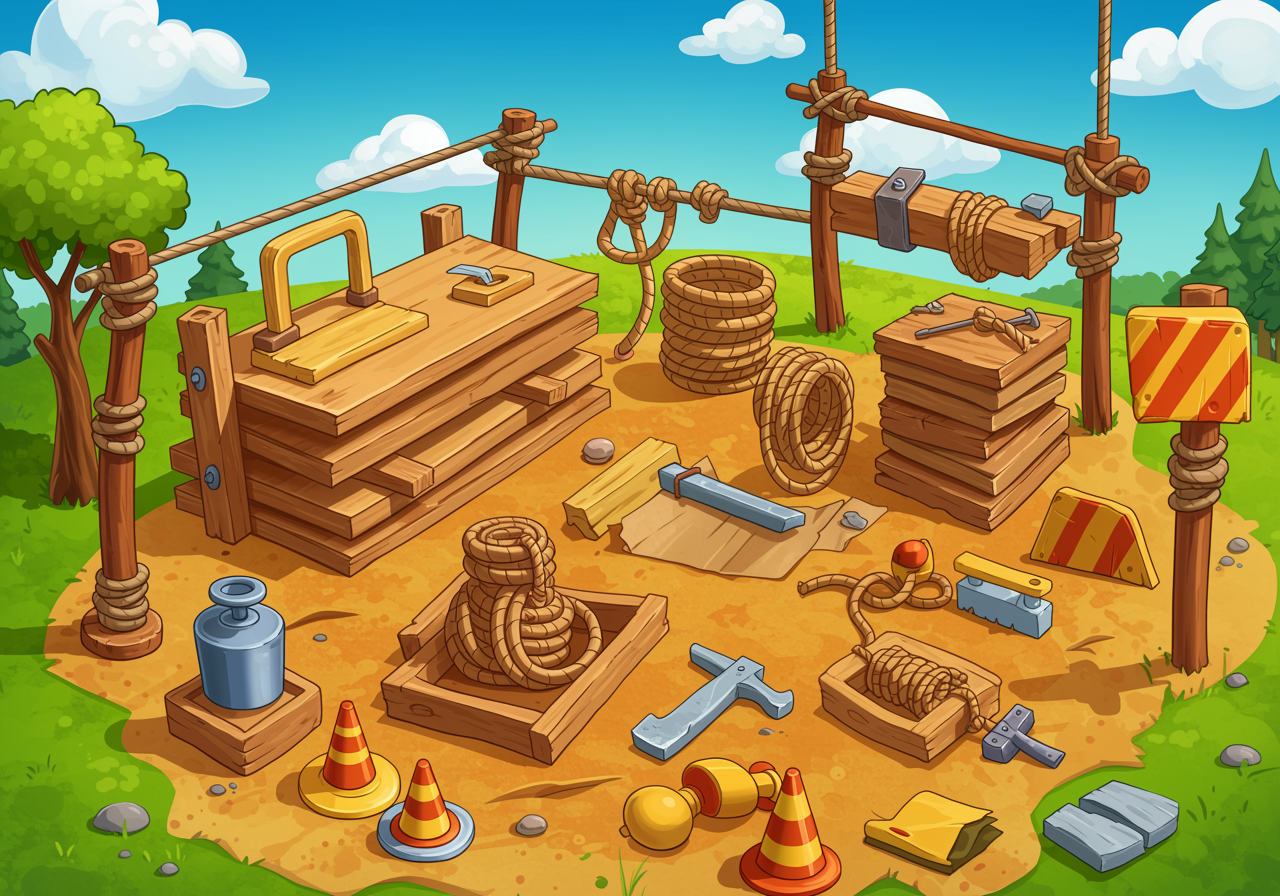
- Local construction projects where you can point out safety measures like scaffolding, hard hats, and barrier fences
Explore Beyond
Look up these related research topics
- How do architects design buildings that can survive earthquakes and storms?
- Why do some animals build elaborate homes while others just find shelter?
- How do engineers decide when a bridge or tunnel is safe enough to use?