

School Leaders: Why They Need to Level Up Like Your Favorite Game
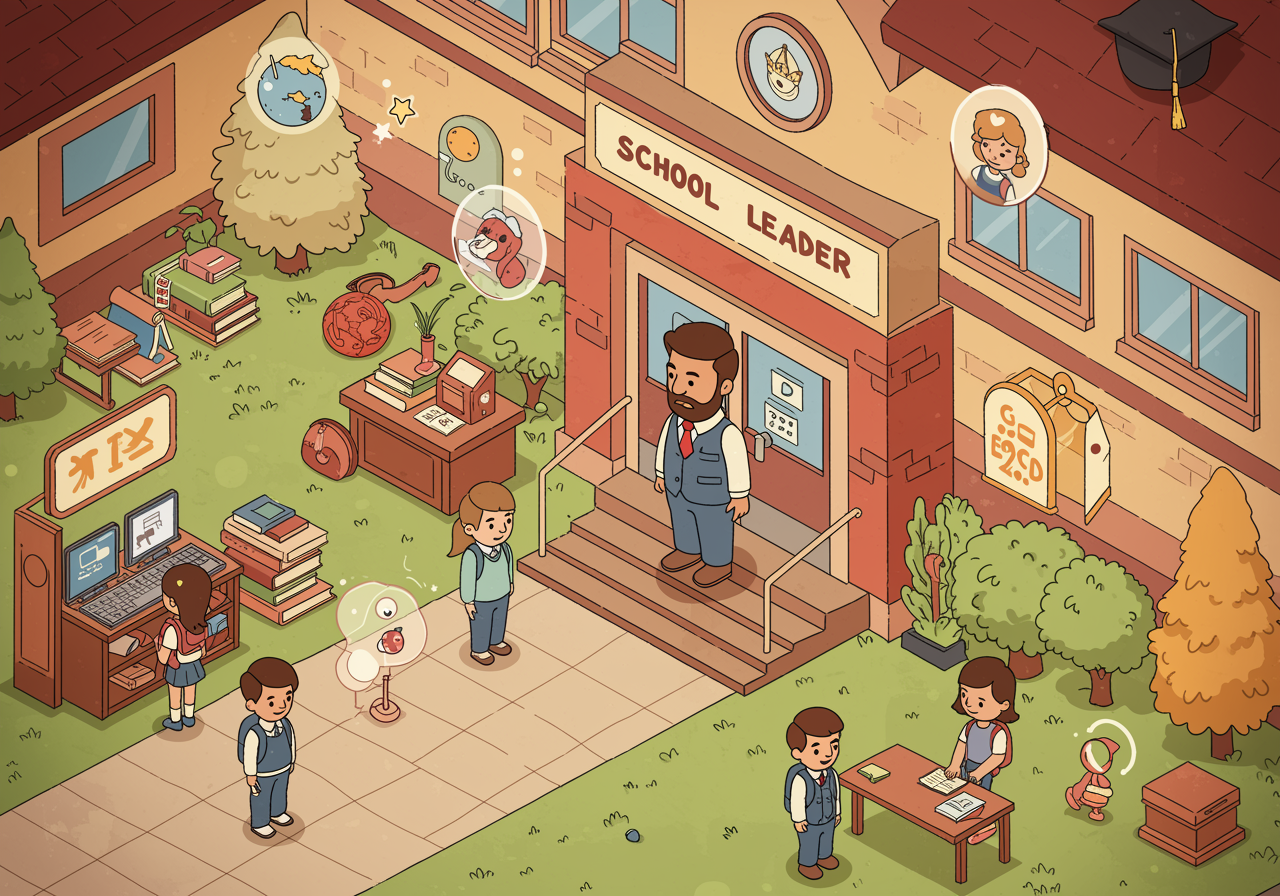
Discover why the best school leaders are like master game designers, constantly updating to keep the adventure fresh and exciting!
Ever wonder why schools sometimes change how they teach or what they focus on? Let’s explore why the best educational leaders adapt like pro gamers who update their strategies to stay ahead!


Overview
Think about your favorite video game – it gets updates, new features, and improvements all the time, right? Schools work the same way! Educational leaders (like principals, superintendents, and school board members) need to constantly adapt and change to help students succeed in our ever-changing world. Just like how a basketball coach changes strategies based on the opposing team, school leaders must adjust their approaches when they see new challenges, technologies, or ways of learning that could help students thrive. Understanding why this flexibility matters helps us appreciate the complex job these leaders have and why change in schools isn't just normal – it's necessary!
Understand in 30 Seconds
Get up to speed quickly
- Educational Leaders Are Like Coaches: Just like sports coaches adjust their game plans, school leaders must change their strategies to help students win at learning.
- The World Keeps Changing: New technology, jobs, and ways of thinking mean schools need to evolve so students stay prepared for their futures.
- Students Have Different Needs: Every generation learns differently, so smart leaders adapt their teaching methods to match how today's students think and learn best.
- Staying Flexible Prevents Problems: Leaders who resist change often find their schools struggling, while those who adapt early help their students succeed.
Real Life Scenario
Situations you can relate to
Imagine you're the captain of a soccer team that's been using the same plays for years. At first, you're winning games easily. But then other teams start figuring out your moves and beating you. What would a smart captain do? Probably learn new strategies, right? That's exactly what happened at many schools during the COVID-19 pandemic. Some school leaders quickly adapted by learning how to teach online, creating new ways to connect with students, and finding creative solutions to keep learning going. Other leaders who were slow to change found their students falling behind. The schools that adapted fastest often came out stronger, with new tools and methods that helped students even after returning to normal. Have you noticed any changes in how your school does things compared to when your parents or older siblings went there?
Role Play
Spark a conversation with “what if” scenarios
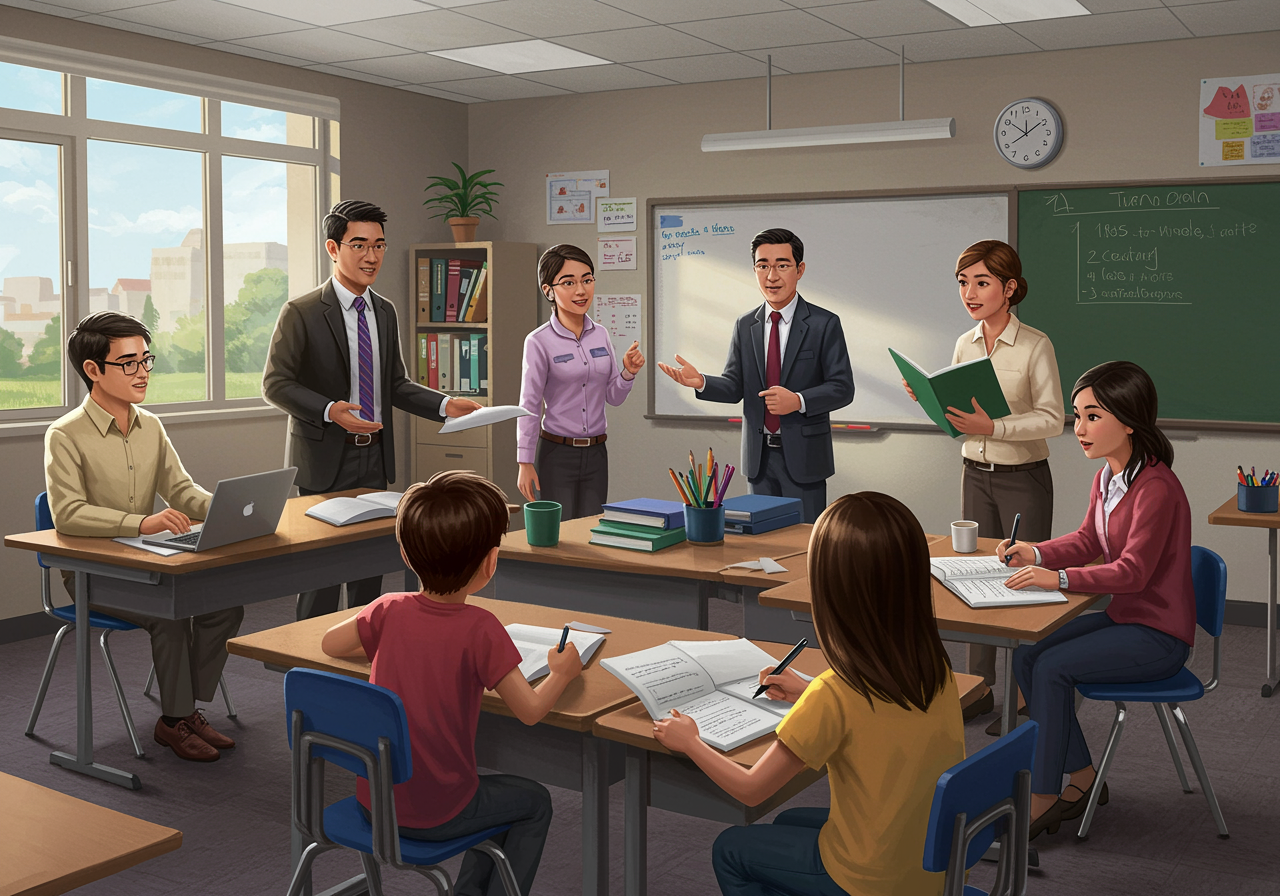
What if you were the principal of a school where half the students learn better with hands-on activities and half prefer reading and writing?
- Role play: Take turns being the principal and teachers, discussing how you'd create a learning plan that works for both types of students. Practice explaining your decisions to worried parents.
What if your school district got a huge budget cut and you had to decide what programs to keep and what to change?
- Role play: Role-play a school board meeting where you have to make tough decisions. Practice listening to different viewpoints and finding creative solutions.
What if a new technology could revolutionize learning, but many teachers and parents were scared to try it?
- Role play: Practice being a school leader who has to convince hesitant people to try something new. Act out explaining the benefits while addressing their concerns.
FAQs
Frequently asked questions people want to know
Don't frequent changes in schools just confuse students?
Good leaders make thoughtful changes gradually and explain them clearly. Quick, random changes are confusing, but planned improvements help students succeed better.
Why can't schools just stick with what worked before?
The world changes fast – new jobs, technology, and challenges emerge. Schools using 20-year-old methods would leave students unprepared for today's world.
How do school leaders know what changes to make?
They look at student performance data, research new teaching methods, listen to teachers and parents, and study what successful schools elsewhere are doing.
Examples in the Wild
See how this works day to day
- Finland completely redesigned its education system to focus less on testing and more on creativity and collaboration, becoming one of the world's top-performing school systems. (OECD Education Reports)
- During COVID-19, schools in South Korea quickly shifted to online learning and used AI to personalize education, maintaining high student achievement. (UNESCO Global Education Monitoring Report)
- New Tech Network schools in the US redesigned classrooms to be project-based and technology-integrated, leading to higher graduation rates and college readiness. (Education Week Research)
- Singapore's education system regularly updates its curriculum and teaching methods based on future job market predictions, keeping students competitive globally. (World Economic Forum Education Reports)
In Summary
What you should know before you start
- Educational leaders must adapt like coaches adjusting game plans – staying flexible helps students succeed in a changing world
- Technology, new research, and evolving job markets require schools to update their methods regularly
- Students in different generations learn differently, so teaching approaches need to evolve with them
- Leaders who embrace smart changes early often see better student outcomes than those who resist change
Pro-tip for Parents
You got this!
If your teen seems frustrated with changes at school, help them see the 'why' behind the decisions. Ask questions like 'What do you think the principal was trying to solve?' This builds their critical thinking and helps them understand that good leaders make changes for important reasons, not just to be different. It's also a great way to discuss how they can be adaptable leaders in their own lives.
Keep an Eye Out For
Find these examples in everyday life
- News stories about schools implementing new teaching methods or technology – great conversation starters about leadership and change
- When your teen's school announces changes to schedules, policies, or programs – perfect moments to discuss the decision-making process
- Examples of successful companies or organizations that adapted to survive (like how Netflix changed from DVDs to streaming)
Explore Beyond
Look up these related research topics
- How different countries approach education and what we can learn from them
- The role of technology in shaping the future of learning and work
- Leadership qualities that help people navigate change successfully in any field