

From Smoke Signals to Smartphones: How Tech Changed the Way We Talk
Discover how tiny computers in our pockets revolutionized human connection forever
Explore how smartphones and computers transformed communication from waiting days for letters to instant messages that travel the globe in milliseconds.


Overview
Think about it – your teenager can video chat with a friend on the other side of the world while walking to school, something that would have seemed like magic just 30 years ago! Smartphones and computers didn't just give us new tools; they completely rewired how humans connect with each other. Understanding this digital communication revolution helps families navigate screen time, online relationships, and the amazing (sometimes overwhelming) world of instant connection. This conversation opens doors to discussing everything from digital etiquette to how technology shapes friendships.

Understand in 30 Seconds
Get up to speed quickly
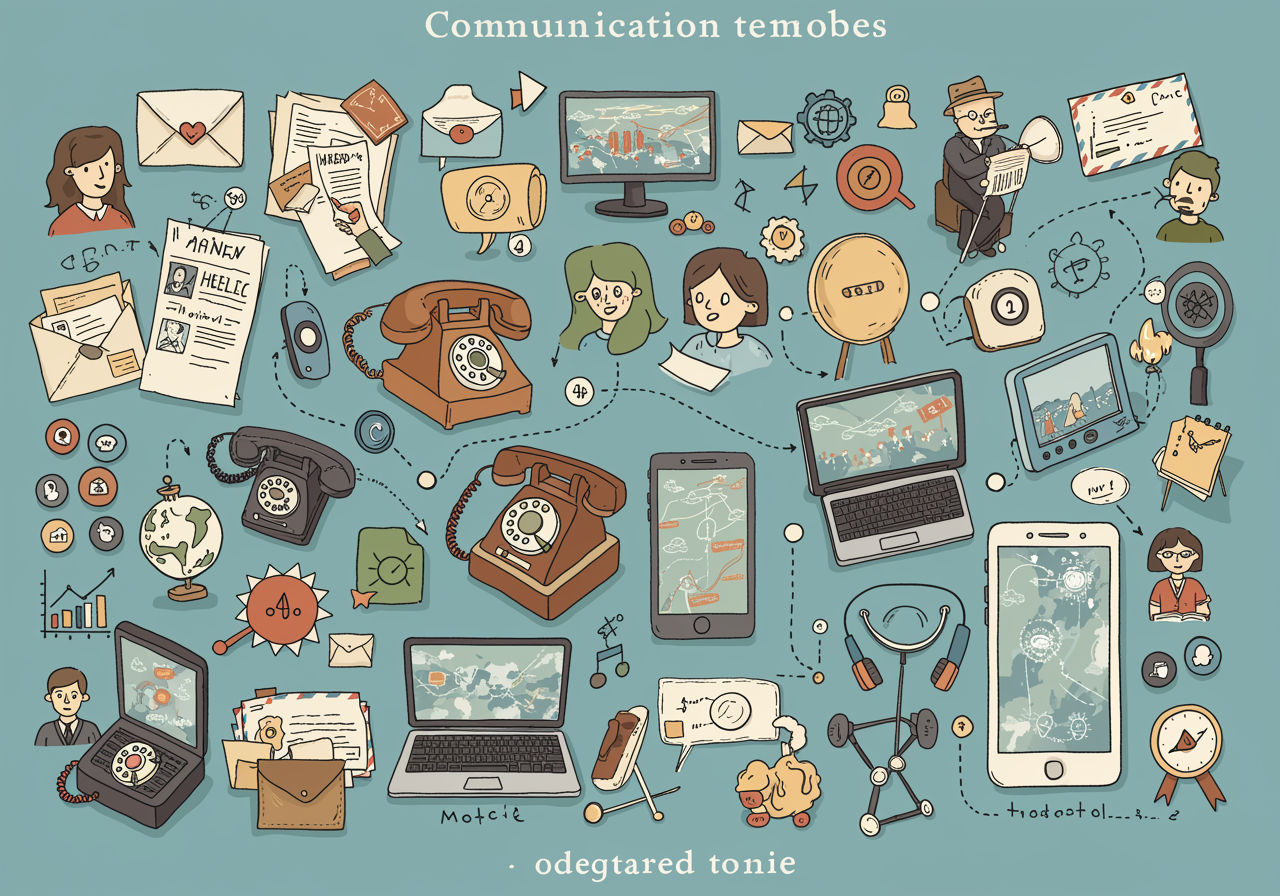
- Speed Revolution: Messages that used to take weeks by mail now travel around the Earth in under a second. That's faster than blinking!
- Always Connected: Smartphones made it possible to talk to anyone, anywhere, anytime. We went from being unreachable most of the day to never being 'off.'
- New Languages Born: Emojis, GIFs, and abbreviations like LOL became entirely new ways to express feelings and ideas that didn't exist before.
- Global Conversations: A teenager in Kansas can now easily chat with someone in Japan, breaking down barriers that separated people for centuries.
Real Life Scenario
Situations you can relate to
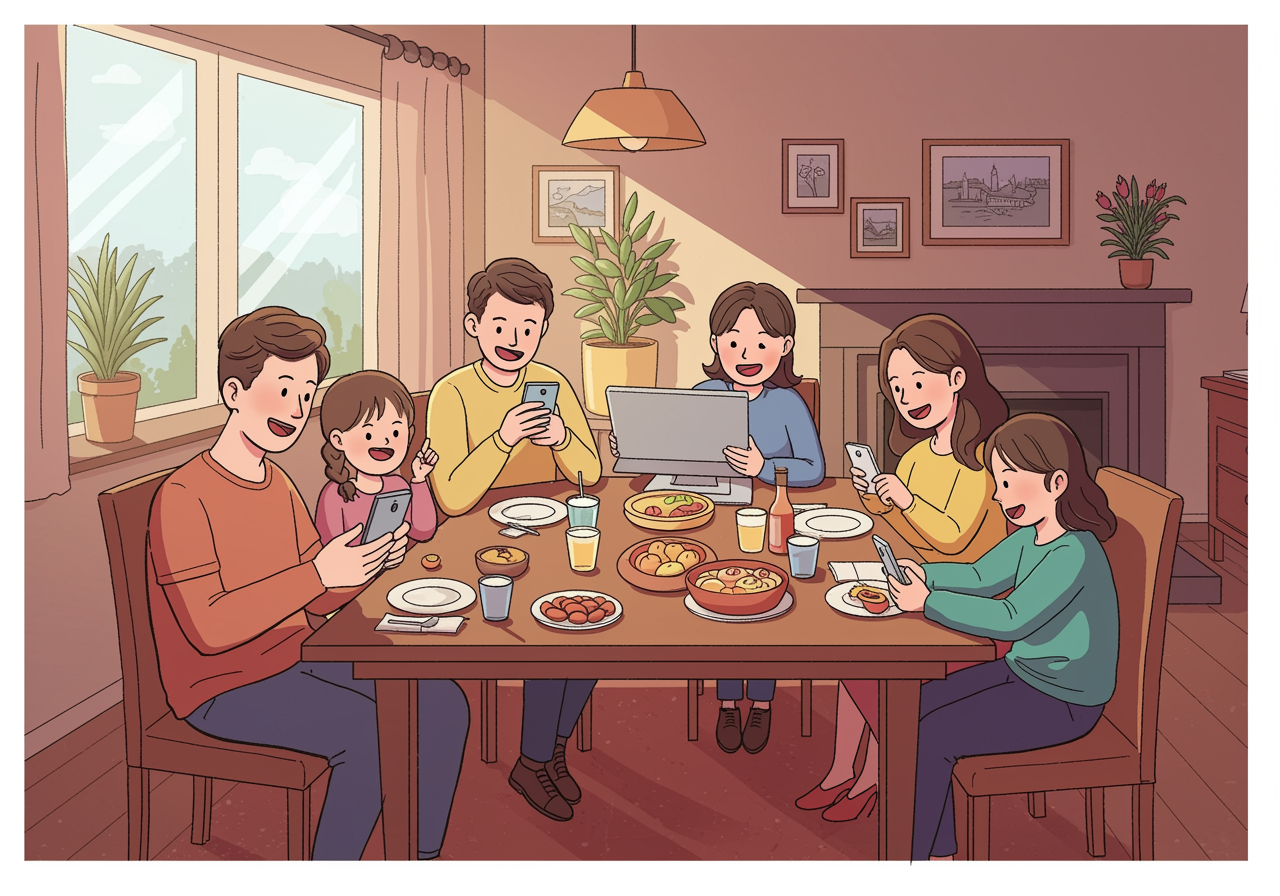
Imagine your great-great-grandmother wanting to tell her sister about her new baby. She'd have to write a letter by hand, walk to the post office, wait weeks for delivery, then wait weeks more for a reply. Now, your mom can share a photo of your baby cousin with the entire extended family instantly, and great-aunt Martha can hearts-react from three states away! But here's the wild part – this super-speed communication also changed what we expect from each other. Have you noticed how weird it feels when someone doesn't text back right away? That anxiety didn't exist when letters took weeks! Our brains had to adapt to this new world where 'instant' became normal.
Role Play
Spark a conversation with “what if” scenarios
What if you had to plan a group project using only landline phones?
- Role play: Try organizing a weekend hangout with friends using only voice calls – no texting, group chats, or social media coordination. Notice how much longer it takes!
What if emojis suddenly disappeared from all devices?
- Role play: Have a text conversation for one day using only words – no emojis, GIFs, or pictures. See how much harder it is to show tone and emotion!
What if you could only communicate with friends through handwritten letters?
- Role play: Write an actual letter to a friend about your week, stamp it, and mail it. Compare how different it feels from sending a quick text.
FAQs
Frequently asked questions people want to know
Why do kids seem to prefer texting over talking on the phone?
Texting lets you think before you respond, multitask, and avoid awkward pauses. It's like having a conversation with a pause button!
Are we losing the ability to talk face-to-face?
We're not losing it, but we're getting less practice. It's like any skill – use it or lose it. That's why family conversations are more important than ever!
Why does my teen always want to text instead of just asking me in person?
Sometimes it's easier to ask tough questions through text first. It gives them time to find the right words and reduces the fear of immediate rejection.
Examples in the Wild
See how this works day to day
- During the 2023 earthquake in Turkey, rescue teams used smartphone apps to locate trapped survivors, coordinating international relief efforts in real-time (BBC News)
- TikTok's algorithm can make a dance created by a teenager in Ohio go viral worldwide within hours, reaching millions across different countries and languages (Pew Research Center)
- Zoom calls increased by 30 times during the pandemic, with families using video chat to maintain connections during lockdowns (MIT Technology Review)
- Environmental activist Greta Thunberg used Twitter to organize global climate strikes, connecting millions of young people across continents (National Geographic)
In Summary
What you should know before you start
- Smartphones turned communication from slow and scheduled to instant and constant
- New digital languages like emojis and GIFs became universal ways to express emotions
- Technology broke down geographical barriers, making global friendships normal
- Our expectations for response time and availability completely changed human social behavior
Pro-tip for Parents
You got this!
When your teen seems 'addicted' to their phone, remember they're not just scrolling – they're maintaining friendships in the way that feels most natural to them. Instead of banning devices, try asking them to show you something cool they discovered online today. This shifts the conversation from 'you're on your phone too much' to 'tell me about your digital world.' You'll learn about their interests while staying connected to their communication style.
Keep an Eye Out For
Find these examples in everyday life
- Notice how your family uses different apps for different types of conversations (serious talks vs. funny memes)
- Watch for news about AI chatbots and voice assistants becoming more human-like in their responses
- Pay attention to how virtual and augmented reality might change communication in the next few years
Explore Beyond
Look up these related research topics
- How social media algorithms decide what we see and who we talk to
- The science behind why we get addicted to notifications and likes
- How different cultures around the world use technology to communicate differently